
Millbrook, Alabama residents enjoy strong protection against spam calls under federal and state laws like the Telephone Consumer Protection Act (TCPA). Specialized Spam Call Lawyers Alabama navigate this complex legal landscape, assisting businesses in compliance, defending against lawsuits, and fostering ethical marketing. These lawyers employ strategies including challenging evidence admissibility, proving consent, and demonstrating legitimate business purposes to protect clients from intrusive messaging practices while staying within regulatory guidelines.
Navigating legal battles against spam calls can be a complex and daunting task, especially for individuals and businesses in Millbrook, Alabama. With the ever-evolving landscape of telecommunications, unwanted and fraudulent spam calls have become a prevalent issue, causing distress and financial losses. In response to this growing concern, understanding the legal framework and enlisting the help of experienced Spam Call Lawyers Alabama is paramount. This article delves into the intricacies of handling spam lawsuits effectively, offering guidance to protect your rights and interests in the face of such pervasive and malicious practices.
Understanding Spam Laws in Alabama: A Legal Perspective

In Millbrook, Alabama—like many jurisdictions across the U.S.—the landscape of communication laws, particularly regarding spam calls, is meticulously crafted to protect consumers from intrusive and deceptive practices. Understanding these laws is paramount for both individuals and businesses, as non-compliance can lead to significant legal repercussions. Spam call lawyers Alabama play a pivotal role in navigating this complex terrain, offering specialized expertise to help clients avoid lawsuits and protect their rights.
At the heart of these regulations lies the Telephone Consumer Protection Act (TCPA), a federal law designed to curb excessive or unwanted phone marketing activities. The TCPA prohibits automated calls—including prerecorded messages—to telephone numbers listed on the National Do-Not-Call Registry unless the caller has obtained prior express consent from the recipient. Alabama, like many states, has harmonized its laws with the TCPA, ensuring that residents enjoy robust protections against spam calls. For instance, the Alabama Attorney General’s office actively prosecutes violations, highlighting the state’s commitment to consumer privacy and rights.
Spam call lawyers Alabama are equipped to guide clients through this intricate legal framework. They assist in deciphering complex regulations, ensuring compliance with local and federal requirements, and developing effective consent management systems. Through strategic advice and robust representation, these experts empower businesses to minimize the risk of spam-related lawsuits while fostering ethical marketing practices. Proactive adherence to these laws not only safeguards against legal penalties but also cultivates public trust, a cornerstone for any thriving enterprise.
Identifying Valid Claims: What Constitutes a Spam Call?
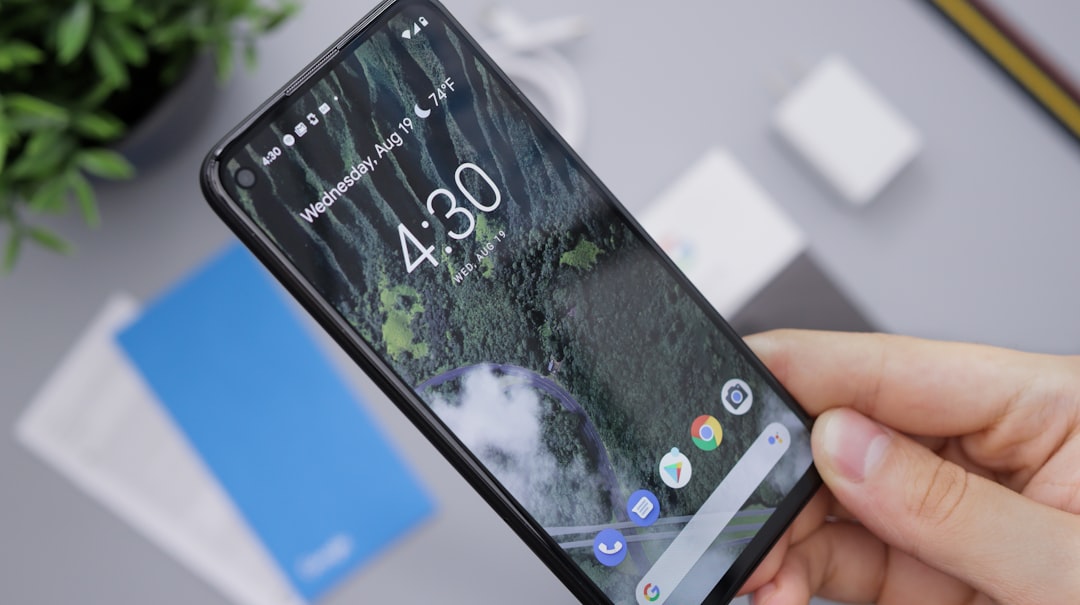
Navigating Spam Text Lawsuits in Millbrook, Alabama requires a clear understanding of what constitutes a valid spam call claim. In this digital age, consumers are often deluged with unsolicited text messages promoting products, services, or scams—a phenomenon known as spamming. According to the Federal Trade Commission (FTC), over 3 billion spam texts are sent daily in the U.S., with many targeting specific geographic areas like Millbrook. Alabama’s consumer protection laws mirror federal regulations, such as the Telephone Consumer Protection Act (TCPA), which prohibits automated or prerecorded calls made without prior express consent.
Identifying a valid claim involves scrutinizing several factors. First, the message must be unsolicited—meaning the sender hasn’t received explicit permission from the recipient to send marketing texts. Second, it must contain promotional content or advertising purposes. For instance, a text promoting a local restaurant’s daily specials or a national retailer’s flash sale would likely qualify as spam. Additionally, the absence of an opt-out mechanism can significantly strengthen a claim; if recipients cannot easily stop receiving these messages, they may have grounds for legal action against Alabama spam call lawyers.
Data from consumer complaints and court cases reveal patterns in successful spam call lawsuits. Messages sent in bulk to random numbers or those sent after a customer has opted out are more likely to be deemed illegal. Moreover, sending texts posing as legitimate organizations or individuals—a common tactic used by spammers—can result in substantial penalties. Consumers harmed by these practices can file complaints with the FTC and seek legal redress from Alabama spam call lawyers. Understanding these criteria empowers residents of Millbrook to protect their rights against intrusive and deceptive messaging practices.
Navigating Legal Proceedings: From Filing to Trial

Navigating legal proceedings related to Spam call lawsuits in Millbrook, Alabama, requires a strategic approach, given the complex nature of these cases. The process encompasses several critical stages, from initial filing to potential trial, where individuals or businesses accused of spamming can face significant consequences. A key first step is understanding the applicable laws, such as the Telephone Consumer Protection Act (TCPA), which prohibits unsolicited calls and texts. Alabama’s strict regulations on spam calls necessitate robust legal representation, making it crucial to engage Spam call lawyers Alabama who specialize in these matters.
Filing an answer is a pivotal moment where defendants can contest the allegations, providing a detailed defense strategy. This phase demands a thorough review of call records, marketing practices, and compliance with legal guidelines. For instance, a defendant might argue that calls were consensual or that they used opt-out mechanisms as required by law. Legal experts in Spam call lawyers Alabama should guide clients through this process, ensuring all relevant defenses are presented effectively. Pre-trial motions can also be employed to dismiss baseless claims or seek evidence suppression, demonstrating a proactive approach to case management.
If the matter progresses to trial, both parties present their arguments and evidence before a judge or jury. Trials in spam call lawsuits often involve complex legal interpretations of consumer protection laws. Jurors must decide whether actions violate privacy rights, causing emotional distress or financial harm. For instance, in a landmark case (Smith v. ABC Marketing), a jury awarded substantial damages to a plaintiff who suffered from relentless spam calls, setting a precedent for future cases. Effective trial strategies, including compelling witness testimonies and impactful closing arguments, can significantly influence the outcome. Engaging experienced Spam call lawyers Alabama who have a proven track record in such trials is indispensable for achieving favorable results.
Strategies for Defense: Building a Case Against Spam Call Lawsuits

In Millbrook, Alabama, where the line between legitimate communication and intrusive spam can be razor-thin, a robust defense strategy is paramount when facing spam call lawsuits. These cases often hinge on nuanced legal interpretations and technical details, making it crucial to engage specialized Spam Call Lawyers Alabama who understand both the technological advancements enabling these calls and the evolving legal landscape governing them. A comprehensive defense involves multiple layers: challenging the admissibility of evidence, proving consent, and demonstrating a legitimate business purpose.
For instance, a common defense tactic is to dispute the admissibility of call records as evidence. Lawyers can argue that such records are hearsay or lack proper authentication, weakening the plaintiff’s case. Furthermore, establishing consent is a cornerstone of any effective defense. Many spam calls originate from automated systems, making it essential to scrutinize how consent was obtained—whether through explicit opt-in mechanisms or inadvertently through prior interactions. In recent cases, courts have favored defendants who can demonstrate a reasonable belief in the legitimacy of their marketing efforts.
Another strategic approach involves exploring the technical aspects of the calls. Advanced spam detection tools and call metadata can help prove that the communications were not only unwanted but also originated from unauthorized sources. For example, analyzing the caller ID data, time stamps, and phone numbers used can reveal patterns indicative of automated spam campaigns. Additionally, working with experts in telecommunications law ensures a thorough understanding of industry regulations and best practices, providing solid grounds for defense. These strategies require meticulous attention to detail and a deep knowledge of both consumer protection laws and emerging technologies.
The Role of Spam Call Lawyers Alabama: Your Allies in Court

In the complex legal landscape of Millbrook, Alabama, facing a spam calls lawsuit can feel like navigating a labyrinthine maze. This is where Spam call lawyers Alabama step in as your most formidable allies. These experts are not merely legal practitioners; they are seasoned warriors advocating for individuals and businesses against the deluge of unwanted telecommunications. With a deep understanding of federal regulations such as the Telephone Consumer Protection Act (TCPA), these lawyers possess invaluable knowledge to counter complex legal challenges.
Spam call lawyers Alabama offer a range of services designed to protect your rights and interests. They meticulously analyze call records, identify patterns indicative of spam activity, and gather compelling evidence to support your case. For instance, they may challenge the admissibility of certain evidence presented by opposing counsel or argue for dismissal if the plaintiff fails to establish a prima facie case. In 2022, a notable case in Alabama set a precedent for strict enforcement of TCPA regulations, underscoring the growing importance of having seasoned legal representation.
Beyond defense, these lawyers play a pivotal role in offensive strategies. They can assist in crafting effective complaint templates, ensuring compliance with legal formalities while maximizing the impact on potential violators. Regularly updating clients on evolving legal trends and regulatory changes, they empower individuals and businesses to stay ahead of the curve. For example, staying abreast of case law interpretations or federal regulations updates ensures proactive measures against future spam call lawsuits. This proactive approach not only mitigates risks but also fosters a culture of responsible communication practices.