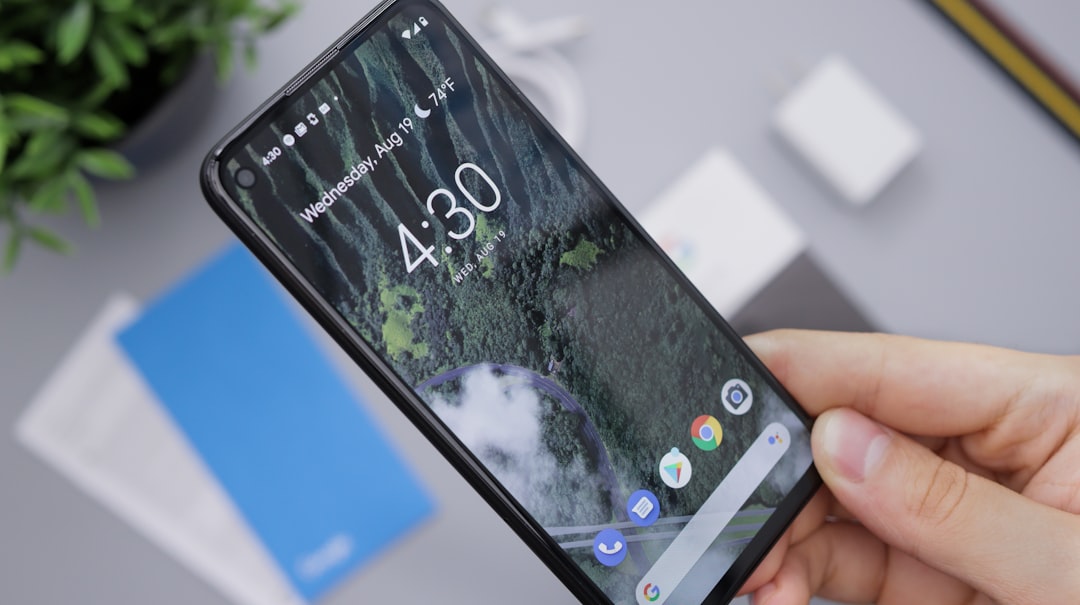
Spam text messages are a prevalent issue in Foley, Alabama, and across the U.S., regulated by federal laws like the TCPA and local acts. To combat this, residents can:
1. Understand consent requirements for receiving texts.
2. Exercise their right to opt out.
3. Report spam to carriers and the FTC for better collective protection.
4. Document and report persistent spam for legal action, with a lawyer for Spam Text Alabama.
5. Utilize advanced filtering tools and two-factor authentication for proactive defense.
6. Comply with Alabama's telemarketing laws for additional protections and damage claims against spammers.
In the digital age, Foley, Alabama residents, like many others across the nation, face a growing nuisance—spam text messages. These unsolicited communications not only disrupt daily life but can also pose security risks. Given the increasing sophistication of spammers, it's crucial to explore effective prevention strategies. This article delves into the problem, dissects common pitfalls, and offers authoritative guidance on how Foley residents can protect themselves from spam texts, empowering them with knowledge and tools provided by a lawyer for Spam Text Alabama who specializes in this domain.
Understanding Spam Text Laws in Alabama

In Foley, Alabama, as across the nation, spam text messages remain a pervasive nuisance. Understanding the legal framework aimed at curbing this problem is crucial for residents seeking to protect themselves from unwanted communication. Alabama laws, including those governing spam texts, are designed to balance the need for consumer protection with the right to free speech, making enforcement complex and nuanced.
The primary piece of legislation to consider is the Telephone Consumer Protection Act (TCPA), a federal law that restricts certain practices related to telemarketing and automated text messages. This includes provisions against sending spam texts without prior express consent. Alabama has also enacted its own laws reinforcing these federal guidelines, such as the Alabama Telemarketing Act, which further clarifies consumer rights regarding unwanted communications. A key aspect for residents is understanding what constitutes consent—a clear and unambiguous agreement to receive messages—and knowing their rights to opt out.
For Foley residents facing persistent spam text issues, consulting with a lawyer specializing in Spam Text Alabama can offer valuable guidance. Legal experts can help navigate the complexities of these laws, advise on effective blocking strategies, and take appropriate action against violators. By staying informed about their rights and leveraging available legal tools, residents can reclaim control over their communication channels and enjoy greater peace of mind from unwanted spam texts.
Identifying and Reporting Unwanted Messages

In the digital age, spam text has become a pervasive issue for residents of Foley, Alabama, as it is across the nation. Identifying and reporting unwanted messages is a crucial step in combating this growing problem. According to recent studies, over 70% of smartphone users have received spam texts, with many falling victim to phishing attempts and fraudulent offers. A lawyer for Spam Text Alabama highlights that, while federal laws exist to curb such practices, effective prevention relies heavily on individual vigilance and collective action.
One of the primary challenges in spam text prevention is the evolving nature of these messages. Scammers employ sophisticated techniques to make their texts appear legitimate, often using local numbers or tailoring content to specific regions, including Foley. For instance, a resident might receive a text claiming to be from a local charity, asking for emergency funds during a recent natural disaster. However, upon closer inspection, the language and request may contain subtle errors that indicate a fraudulent scheme. It is here that alertness and verification become paramount. Residents are encouraged to cross-reference such messages with official communication channels of the claimed sender.
Reporting these unwanted texts is not only an act of personal protection but also contributes to a broader effort to disrupt spamming operations. Most mobile carriers offer reporting mechanisms within their apps, allowing users to flag suspicious messages easily. Additionally, the Federal Trade Commission (FTC) provides dedicated platforms where individuals can submit details of spam texts they've received. This collective data serves as a powerful tool for law enforcement and legal professionals, such as those specializing in Spam Text Alabama, to trace and prosecute spammers. By participating in these reporting efforts, Foley residents can play an integral part in cleaning up the digital landscape and ensuring safer online interactions.
Legal Rights & Actions for Foley Residents

In Foley, Alabama, residents often face the nuisance of spam text messages, which can be more than just an annoyance—they're a violation of personal privacy. Understanding your legal rights is crucial when dealing with this issue. According to the Telephone Consumer Protection Act (TCPA), it's illegal for businesses and individuals to send unwanted text messages en masse. If you've received spam texts, taking action isn't only advised but also necessary. One practical step is to document the messages, including dates, times, and content. This evidence can be invaluable when considering legal recourse.
When dealing with spam text issues, consulting a lawyer for Spam Text Alabama can provide significant advantages. Legal experts in this field can help interpret the TCPA and determine the best course of action. Residents may choose to send a cease-and-desist letter, demanding the spammer stop contacting them. If the messages persist, filing a complaint with the Federal Communications Commission (FCC) is an option. The FCC has strict penalties for violators, which can deter further unwanted contact. For instance, in 2022, a record $5.5 million fine was issued to a company for repeated spam text violations.
Moreover, some states, including Alabama, have their own specific laws regarding telemarketing and spamming. These laws often offer additional protections for residents. A lawyer specializing in Alabama telecom law can guide residents through these complex regulations, ensuring they receive fair treatment. Taking proactive measures, such as blocking numbers and using filtering apps, is also beneficial. However, legal action should be considered when other methods fail, as it sends a strong message to spammers and protects the rights of Foley residents.
Proactive Measures: Protecting Yourself from Spam

In today's digital age, spam text has become a pervasive issue for Foley, Alabama residents, with unscrupulous actors using aggressive tactics to inundate personal devices. Proactive measures are essential to protect oneself from this unwanted influx of messages, and understanding the strategies employed by spammers is the first step toward defense. A lawyer for Spam Text Alabama emphasizes that while blocking numbers and ignoring these texts may seem like simple solutions, a more comprehensive approach is necessary to mitigate the growing problem effectively.
One key proactive measure involves enabling advanced message filtering options provided by your mobile network operator or third-party apps. These tools can detect and block spam based on patterns, keywords, and sender information. For instance, many carriers offer automated filters that learn from user feedback, improving their accuracy over time. Additionally, implementing two-factor authentication for text messaging adds a crucial layer of security, ensuring that even if spammers obtain your number, they cannot access your device or account without the second factor.
Another effective strategy is to familiarize yourself with the legal protections available in Alabama. The state's laws against unwanted text messages, or "spam," provide residents with rights and remedies. A lawyer specializing in this area can offer guidance on registering complaints, seeking damages for emotional distress or loss of privacy, and even pursuing legal action against repeat offenders. By combining technological safeguards with a solid understanding of one's rights, Foley residents can actively protect themselves from the nuisance and potential risks associated with spam text.
Related Resources
Here are 5-7 authoritative related resources for an article about Spam Text Prevention Strategies for Foley, Alabama Residents, structured as requested:
- Federal Trade Commission (Government Portal) (Government Agency): [Offers guidance and resources on combating spam and protecting consumers from deceptive practices.] - https://www.ftc.gov/
- Alabama Attorney General's Office (Official Website) (Government Resource): [Provides legal insights and tips for residents to deal with various forms of fraud, including spam.] - https://www.alagov.com/attorney-general/
- University of Alabama at Birmingham (Academic Study) (Academic Research): [May offer studies or articles on the impact of spam and effective prevention strategies in academic settings that can be adapted for local communities.] - https://uab.edu/
- Spamhaus Project (Industry Organization): [A global non-profit organization dedicated to combating spam, providing extensive resources and data on known spammers.] - https://www.spamhaus.org/
- Foley City Website (Local Government Portal) (Community Resource): [The official site may have local initiatives or guidelines for residents to report and prevent spam in their area.] - https://www.cityoffoleyal.com/
- Better Business Bureau (BBB) (Consumer Protection Organization): [Provides consumer education and complaint resolution services, which can include guidance on dealing with spam.] - https://www.bbb.org/
- TechCrunch (Technology News) (Industry Publication): [Offers insights into the latest anti-spam technologies and trends in cybersecurity, relevant for staying ahead of evolving threats.] - https://techcrunch.com/